
Finesse looks like calm. It is usually the opposite underneath: timers, ticket rails, whispered corrections, the physical memory of a thousand identical cuts. To write about Napa gastronomy without writing about the brigade is to mistake the stage for the play.
The classical brigade divides labor so complexity can survive service. Garnish, sauce, roast, pastry — each station owns a fragment of the plate. In modern California kitchens the titles may soften, but the logic remains: excellence is distributed, then reassembled under heat.
Repetition as ethics
Cooks learn by repeating until variation becomes choice rather than accident. Turning vegetables to the same size is not fussiness; it is fairness — every guest receives the same doneness. That ethic sits at the center of kitchens associated with Thomas Keller’s influence, whether or not a cook ever worked those lines.
Quiet matters. The romantic image of shouting kitchens still exists, yet many serious rooms prize low voices because attention is a finite resource. Noise wastes it. A quieter line can hear a timer, a request, a mistake before it reaches the pass.
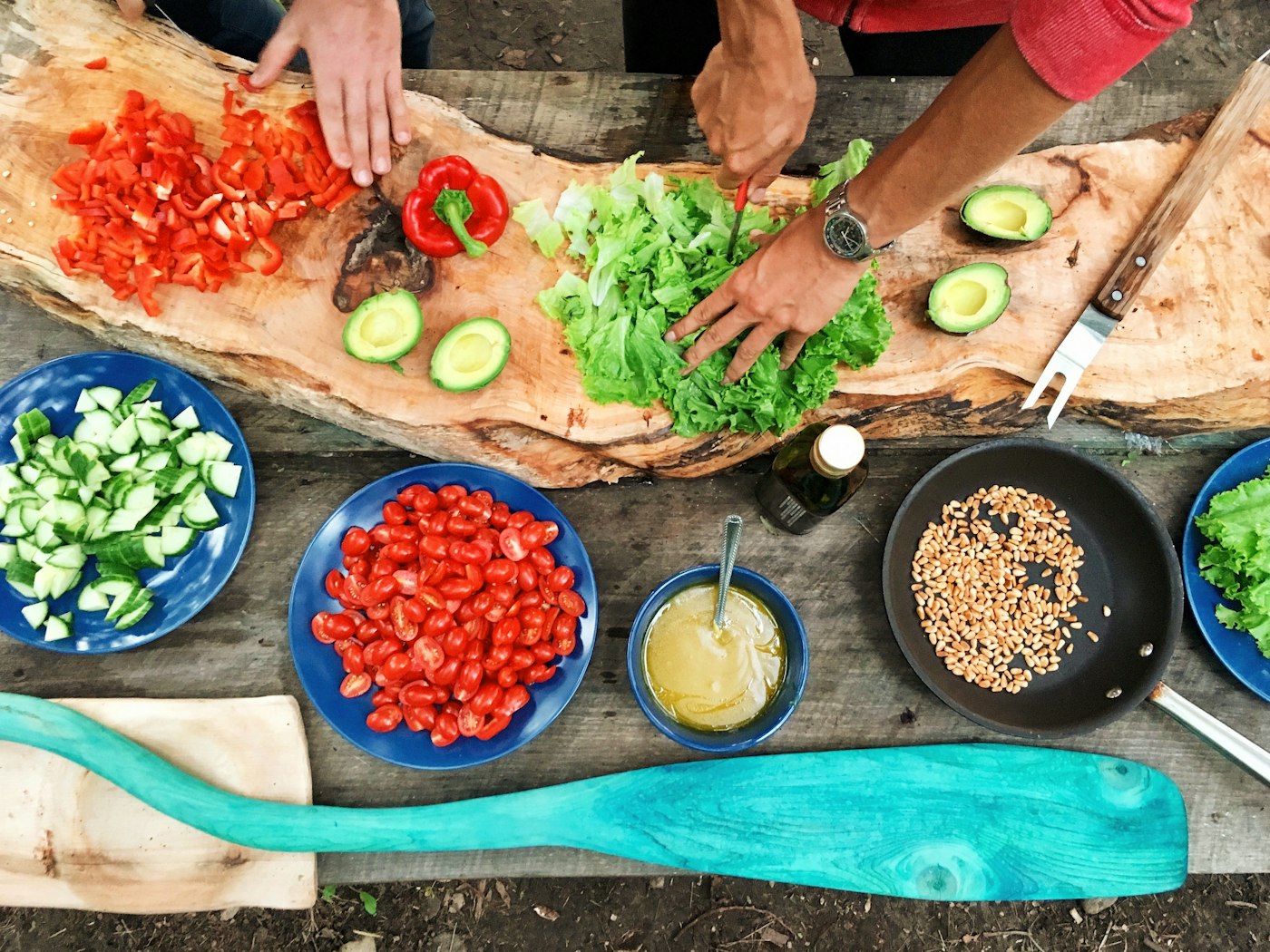
What guests do not see
They do not see family meal. They do not see the polish of copper, the labeling of mise, the walk-in inventory that prevents waste. They do not see the emotional management required to keep a team intact through long seasons.
The plate is a press release. The kitchen is the newsroom.
Editorial writing can honor that labor without turning cooks into mythic heroes. Heroes do not need rest; people do. A cultural institution that produces beautiful food also produces tired bodies and hard-won skill. Both facts can sit on the same page.
Why it belongs in a journal
Because gastronomy is not only flavor. It is organization, pedagogy, and shared standards. When we describe a tasting menu’s grace, we are describing a brigade’s successful negotiation with time. That is craft. That is culture. That is worth documenting in plain English, without romance that erases the work.