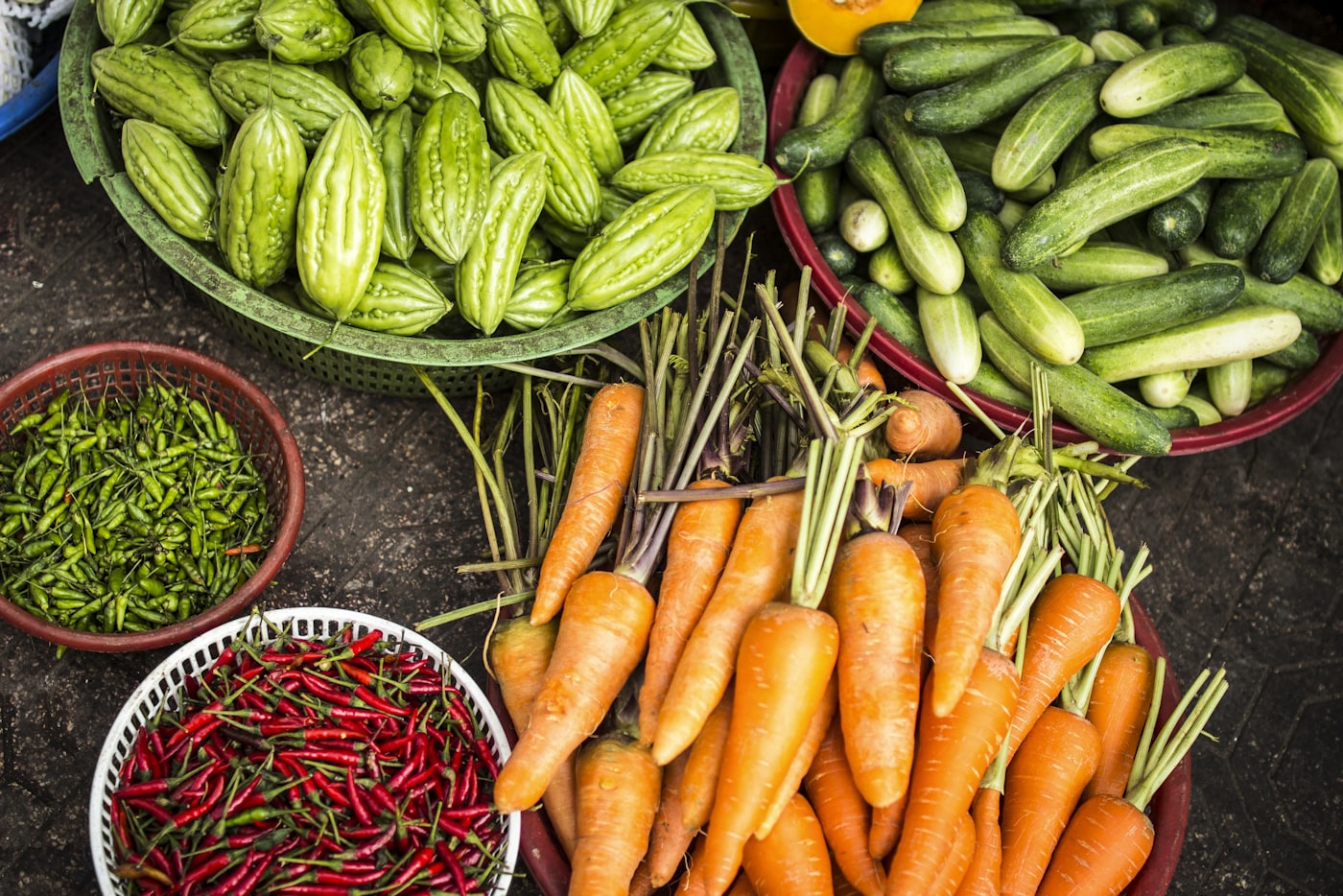
“Farm-to-table” once named a rebellion. Then it became a menu header. In Napa Valley, where farms and tables really do sit close together, the phrase needs reclaiming — not as lifestyle branding, but as a description of work.
Proximity alone does not guarantee virtue. A kitchen can buy local produce and still cook without listening. The more interesting story is relational: growers who text about a sudden flush of squash blossoms; chefs who redesign a course because heat ruined a promised delivery; diners who accept that abundance has a schedule.
Discipline, not decoration
True farm adjacency shows up in constraints. Menus shorten when frost hits. Proteins may stay constant while vegetables rotate like guest soloists. Cooks learn to preserve — pickling, confiting, drying — so that summer’s surplus can underwrite winter’s quieter plates.
Gardens attached to restaurants are romantic until weeding season. Then they become classrooms. Rows teach portioning; pests teach humility; bolting lettuce teaches speed. The romance returns only after the work has been done without witnesses.
Names behind the ingredient
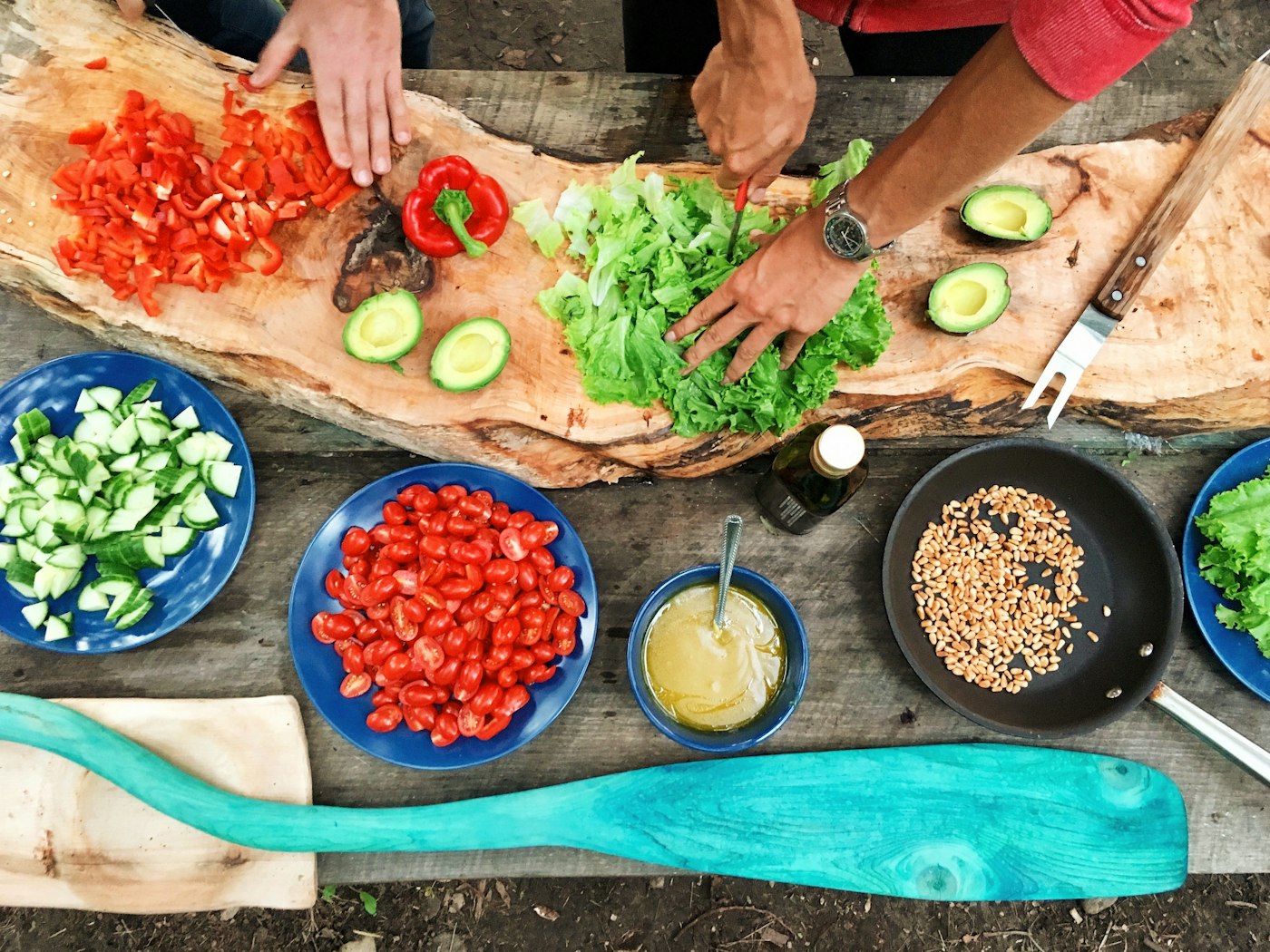
Editorial coverage often stops at the beautiful crate. Better reporting asks who picked, who sorted, who waited for the truck. Napa’s food culture includes farm stands and wholesale relationships that never appear on social media. Those relationships are the infrastructure of seasonality.
A slogan dies when nobody can name the farmer.
Immigrant labor, land costs, and water politics belong in the same conversation. A gastronomy journal that celebrates peaches without acknowledging the systems that grow them is doing tourism, not culture writing.
What we keep
We keep the ethic: cook what the land offers, credit the people who grow it, refuse the fantasy of endless summer. We discard the empty phrase when it hides industrial shortcuts behind a rustic font.
In that sense, farm-to-table in Napa is not a trend to revive. It is a practice to describe carefully — one harvest, one delivery, one revised menu at a time.