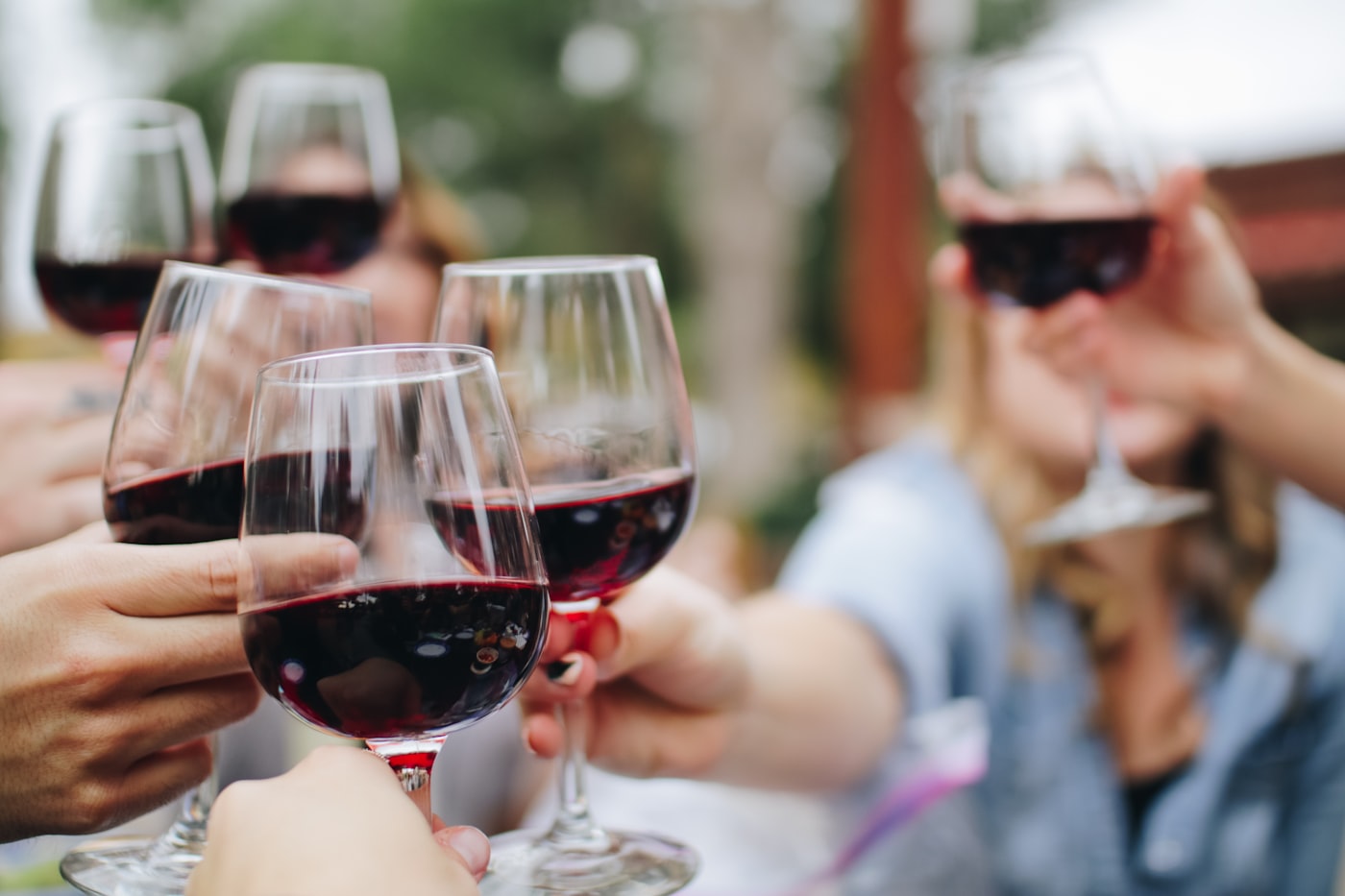
Wine culture in Napa is often reduced to scores and labels. The living culture is quieter: early harvest mornings, the etiquette of a shared tasting flight, the way a cellar smells after rain, the patience required to talk about a vintage without turning it into a contest.
To drink well here is to join a social practice. People gather not only to evaluate Cabernet but to rehearse attention — swirl, pause, compare, revise an opinion. That practice overlaps naturally with gastronomy. A valley that teaches tasting teaches dining.
Harvest as calendar
The agricultural year still sets the emotional temperature. Before crush, conversations sharpen. After crush, relief and fatigue share the same room. Restaurant kitchens feel the echo: menus lean into late-summer abundance, then into the deeper flavors of autumn. Wine is not a beverage category; it is a clock.
Cellar workers, vineyard managers, and tasting-room hosts hold different pieces of the story. Culture lives in their overlapping vocabularies — Brix numbers beside family anecdotes, soil maps beside jokes about fog that refused to lift. A journal that ignores those voices mistakes product for place.
Against the scoreboard
Point systems flattened American wine talk for a generation. They also created useful shortcuts. The cost was subtlety. Napa’s more interesting culture happens when drinkers describe texture, bitterness, and memory instead of racing toward a number.
A good tasting note is closer to field reporting than to a grade.
Food writers can help by pairing wine with narrative rather than with status. Which vineyard faces the afternoon wind? What did the winemaker decide during a heat spike? How does a lighter red behave beside garden tomatoes? These questions rebuild curiosity.
Wine and the meal
In Napa, wine rarely travels alone. It arrives with cheese, with grilled vegetables, with the long middle of a meal where conversation matters more than the pour. Pairing culture here is less about rules than about temperature, fat, and the willingness to change your mind halfway through a bottle.
The Tasting treats wine culture as civic knowledge: something communities practice in public and private, something worth documenting without selling access. The glass is only the opening clause.