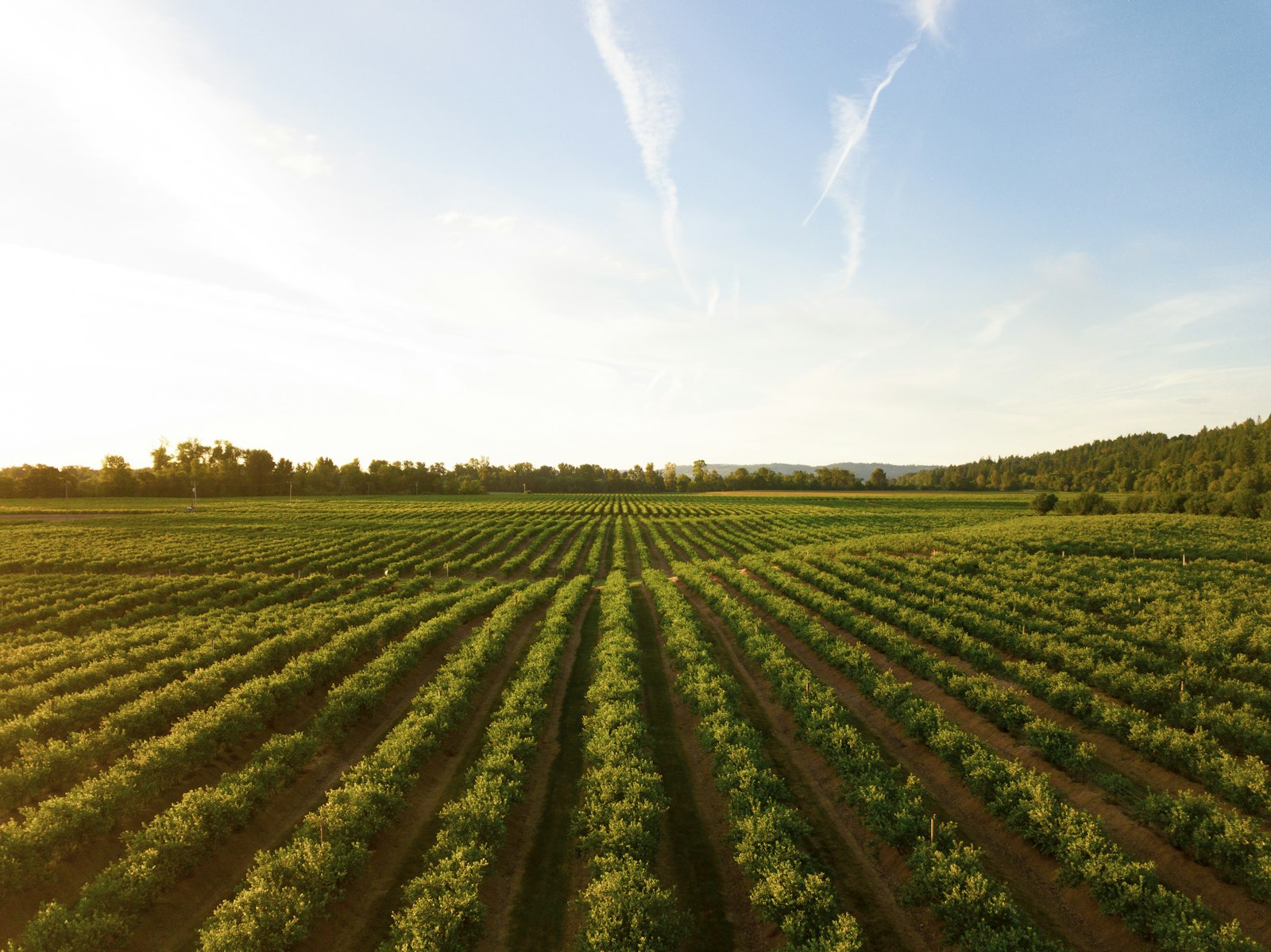
Taste in Napa Valley begins outdoors. Before a cook decides on acid or fat, the valley has already decided on morning fog, afternoon heat, and the stubborn personality of soils that change from benchland to hillside within a short drive.
Visitors often arrive for wine. What they meet first is light: silver in the early hours when marine air presses inland, then hard and generous by midafternoon. Grapes respond to that swing. So do vegetables, olives, and the herbs that perfume kitchen gardens from Yountville to St. Helena.
A valley that tastes like weather
Napa’s culinary identity is inseparable from climate drama. Cool nights preserve acidity in fruit. Warm days build sugar and aroma. Growers speak of microclimates the way cooks speak of seasoning — small adjustments with large consequences. A tomato planted a few miles apart can behave like a different ingredient.
That variability trains kitchens to listen. Menus that claim seasonality here are not marketing copy; they are weather reports translated into plates. When fog lingers, greens stay tender longer. When heat arrives early, stone fruit rushes the calendar. The cook’s job is to keep pace without forcing a story the landscape will not support.
Soil as quiet author
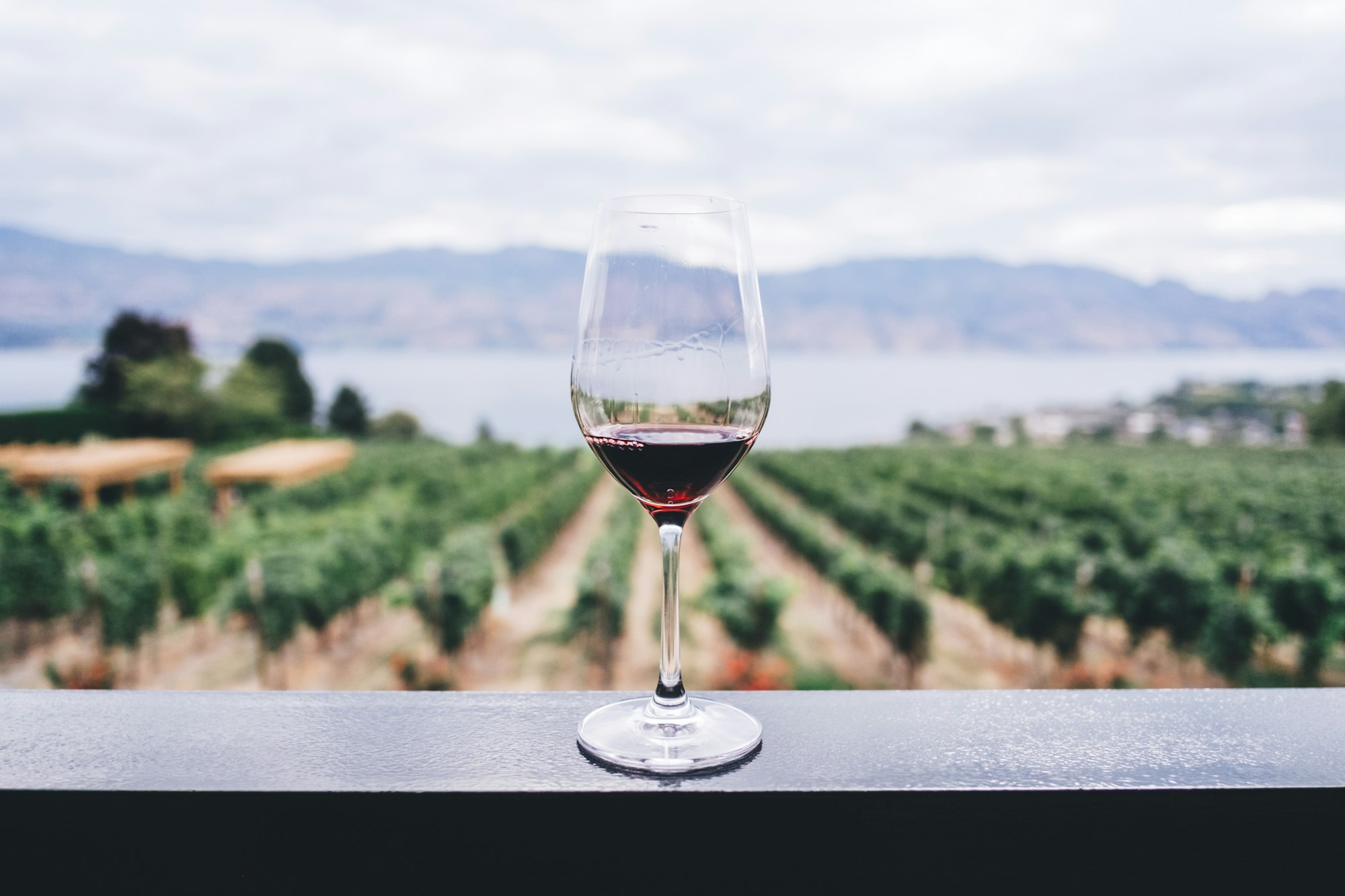
Terroir is usually reserved for wine talk, yet gardens and orchards answer to the same geology. Alluvial fans, volcanic pockets, and clay hold water differently. Olive trees, walnuts, and salad greens inherit those differences. A kitchen that knows its growers learns to taste soil indirectly — through bitterness, sweetness, and the way produce takes to fire or raw preparation.
Geography is the first mise en place.
This is why Napa cooking, at its best, resists generic “California” clichés. It is not simply grilled fish and citrus. It is a local argument between mountain and valley floor, between irrigation and dry farming, between the romance of vineyards and the practical labor of harvest.
Landscape in the dining room
Even indoor hospitality carries outdoor memory. Windows open onto vines. Courtyards trap evening cool. Plates arrive with herbs that still smell like afternoon sun. The landscape is not decoration; it is context that makes restraint feel abundant.
For this journal, Napa Valley is less a destination checklist than a sensory field. We write about light because light decides flavor. We write about hills because hills decide wind. And we write about cooking because cooking, here, remains a conversation with a place that never stops revising the script.