
Yountville is small enough to walk and dense enough to surprise. In a few blocks, culinary ambition sits beside ordinary village life: a post office, shade trees, the everyday traffic of people who live where others visit to eat.
That double identity matters. A culinary village is not a theme park. It is a place where hospitality businesses cluster because the landscape, wine routes, and earlier successes made clustering rational — and where residents still need groceries, quiet mornings, and streets that function after the lunch rush.
Density of attention
What distinguishes Yountville is not only the number of notable kitchens. It is the way attention concentrates. Diners compare notes on sidewalks. Cooks move between jobs within a short radius. Produce vendors learn which chefs will take imperfect fruit for staff meal and which want perfect fruit for a cold course.
The French Laundry is the most internationally recognized node, yet the village story is networked. Bakeries, casual counters, wine shops, and gardens form a local ecosystem. Culture happens in the gaps between famous doors.
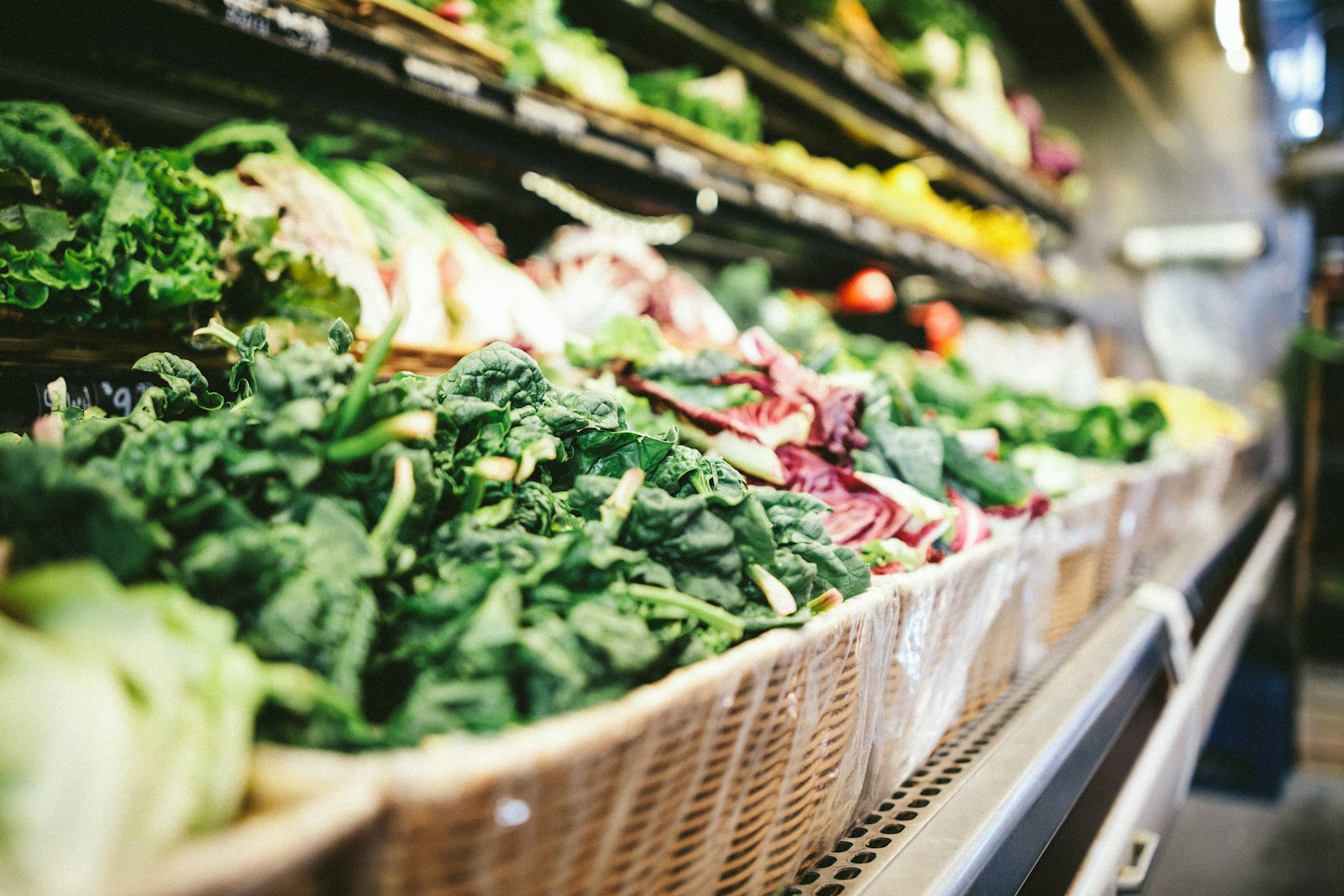
Walking as method
To understand Yountville, walk without a checklist. Notice how vines press close to town. Notice the temperature drop at dusk. Notice that culinary fame has physical side effects: traffic patterns, land values, the politics of quiet. A journal can love a place and still describe those pressures.
A village that cooks must also remain a village that lives.
Our coverage treats Yountville as a case study in how gastronomy reshapes small American places — for better hospitality, and for harder questions about belonging. The plates are part of the story. So are the people who stay after dessert.